


November 2026 · Tharaka Nithi
Green Up Kenya: Ending the Dangerous Walk to the River
Along Tharaka Nithi's rivers, fetching water has meant risking crocodiles and hippos. Through Green Up Kenya, 30 smallholder farmers, 73% of them women, now irrigate their own land with solar pumps and grow food all year round.
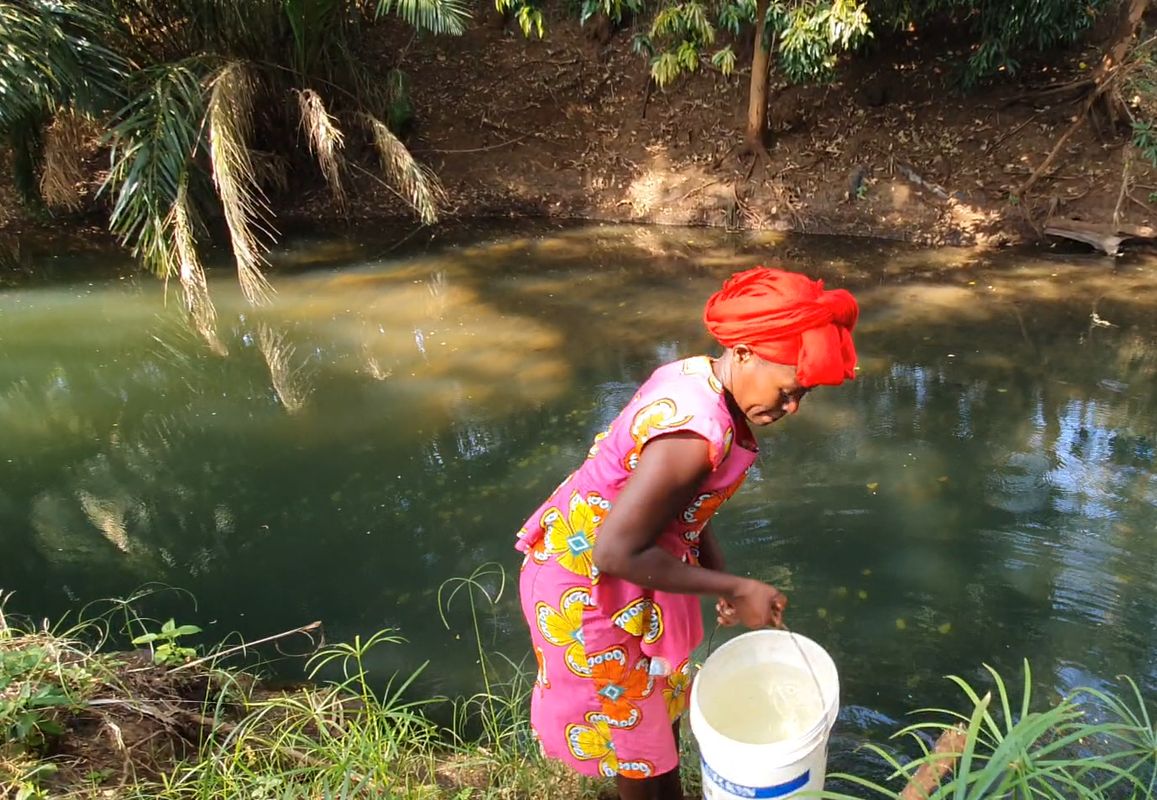
Last year, a little girl in Tharaka-Nithi took her family's animals down to the river to drink. She never came home. A crocodile took her at the water's edge.
Her neighbours still go to the same river every day, because it is the only water they have. As one farmer told us: "You lose your life because you want access to a vital need like water."
Before: living beside water they could not safely use
Tharaka-Nithi is crossed by major rivers, including the Tana, Thanantu and Kathita. Yet for the households along their banks, this water has brought more danger than benefit, threatening both their lives and their livelihoods.
Every drop for cooking, livestock and crops had to be carried up from the river. One farmer filled up to 20 jerrycans a day to water her tomatoes, climbing steep, slippery banks each time. At the water's edge, crocodiles and hippos wait, and when the river rises, people are swept away by raging water. "I've lost count of the falls," she said, "but you try again so you can put food on the table."
Some farmers moved their plots right down onto the riverbank to be closer to the water. There, floods wash away crops and structures, and the risk of drowning and animal attacks is even greater. Green Up Kenya aims to move farming off the riverbank, piping water up to farmers' own land instead.
Away from the river, the rains can no longer be trusted. Climate change has made the seasons harder to predict, and when the rain fails, crops dry in the field. Diesel and petrol pumps are too costly for smallholders: most could not afford them, and those who tried could not earn enough to make the investment pay.
The technology to change this already exists. Solar pumps let communities use the water around them fairly, and live alongside wildlife without having to face it every day.
The community took the first step
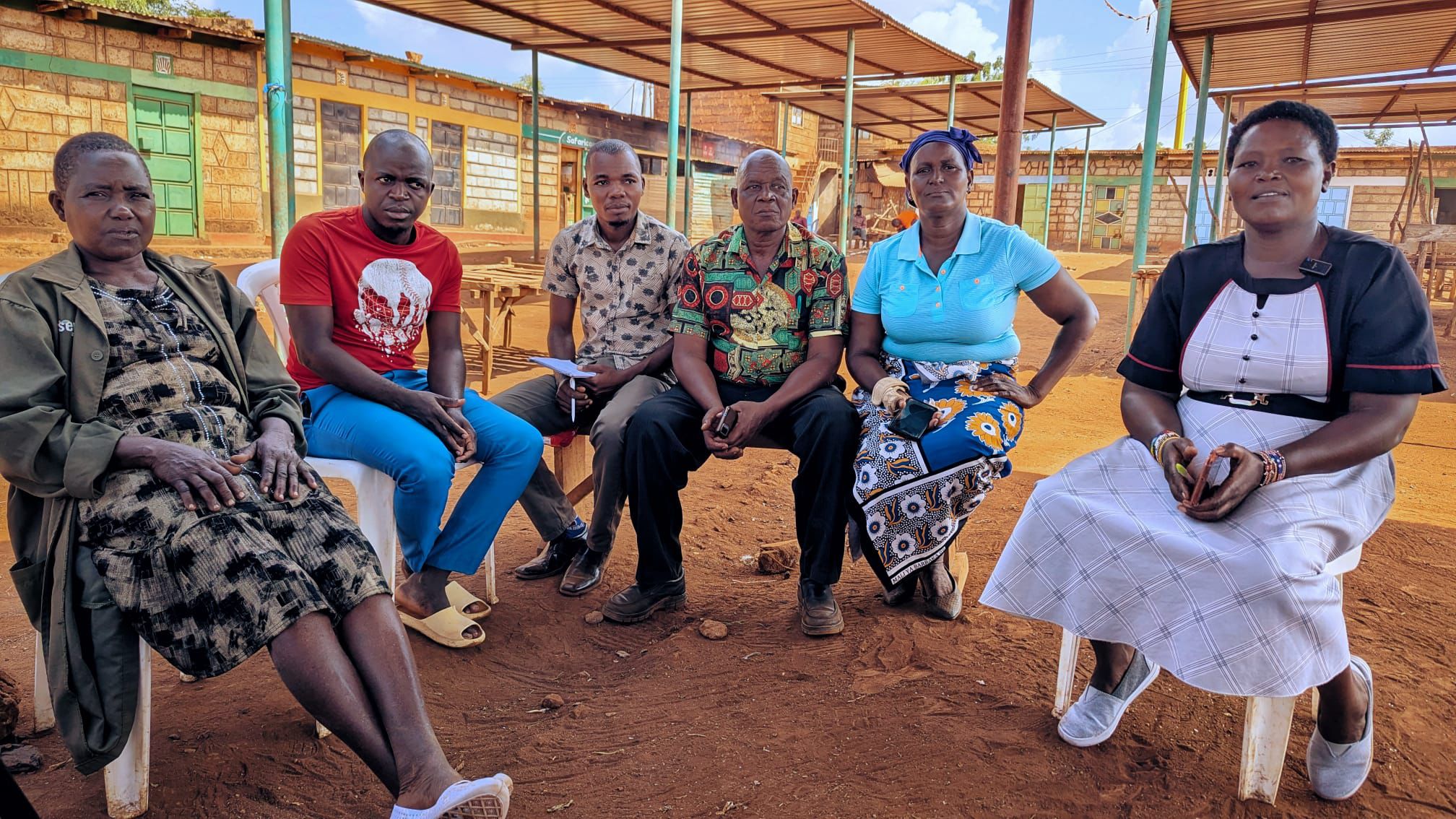
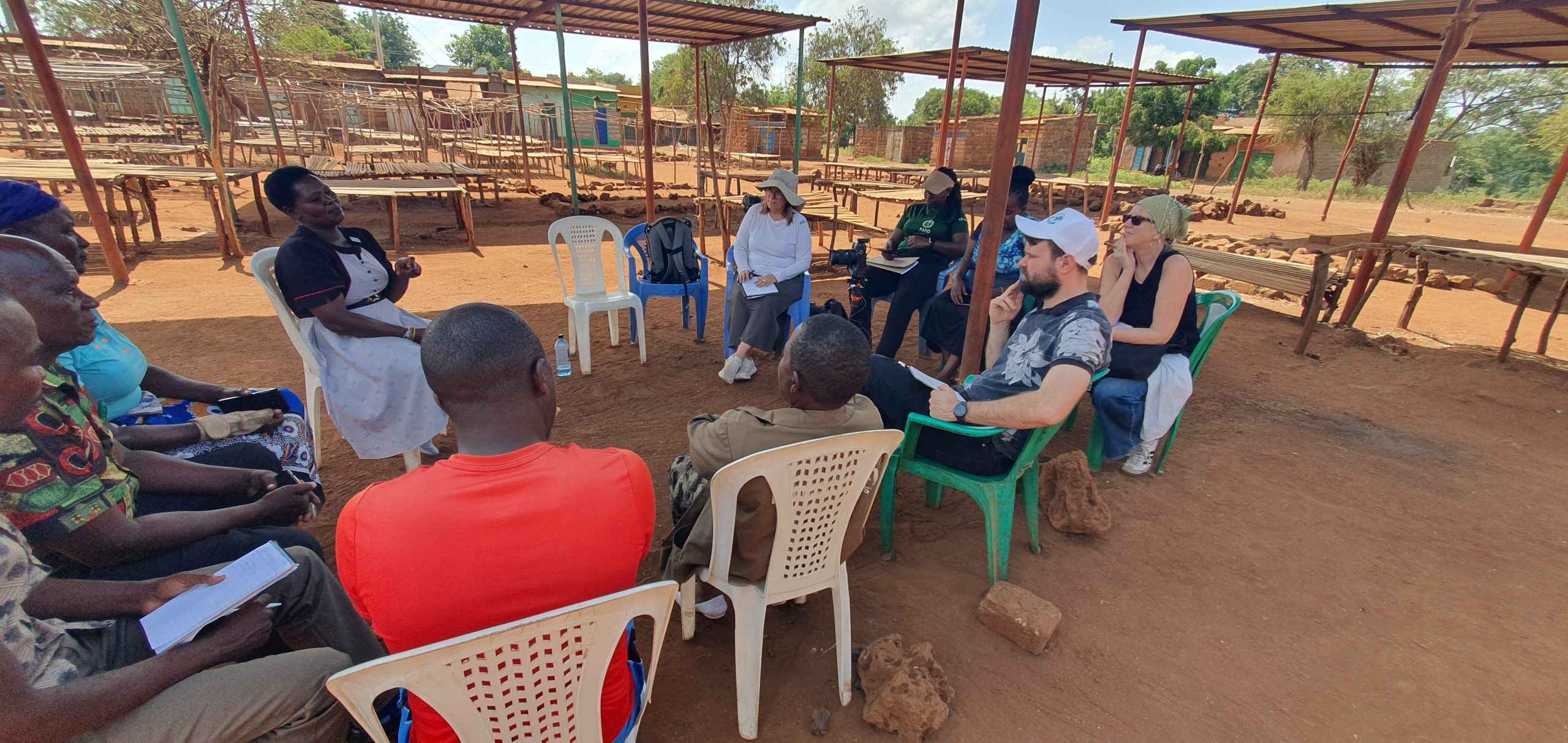
The community did not wait for outside help. With support from well-wishers, 477 members came together as the Kithigiri-Kamatungu Water Project, led by chairman Peter Marigu and secretary Bernard Kamwara, and secured water user rights from the relevant authorities. What they still lacked was affordable energy to pump enough water for their homes and farms.
That is where PAFID Kenya and The Era of Africa came in, building on the community's own initiative. Each farmer also made a significant financial contribution towards their pump, a clear sign of their commitment. Between August and September 2026, Green Up Kenya installed solar-powered irrigation for 30 smallholder farmers: 73% of them women and 20% youth.
From delivery to launch day
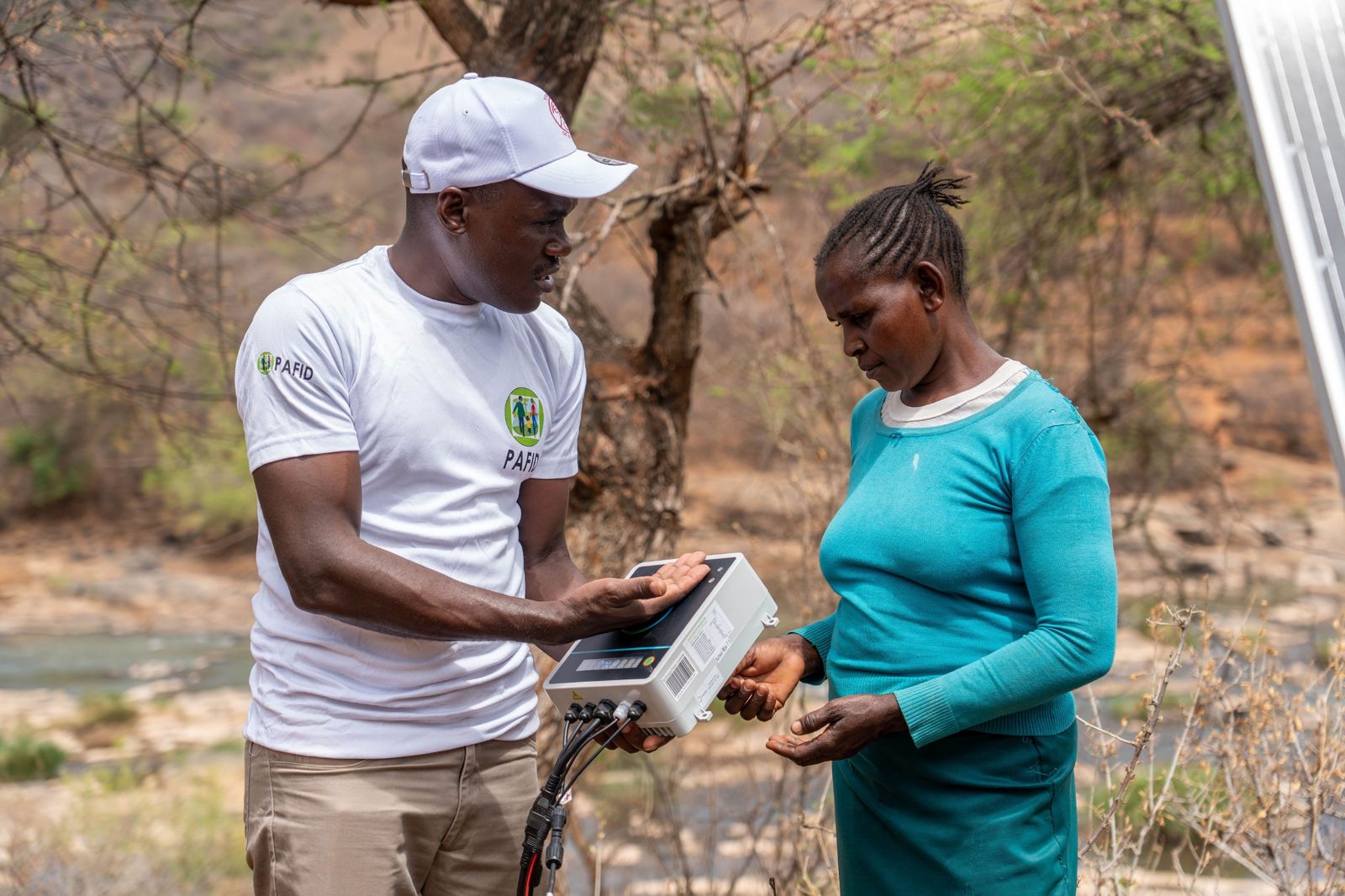
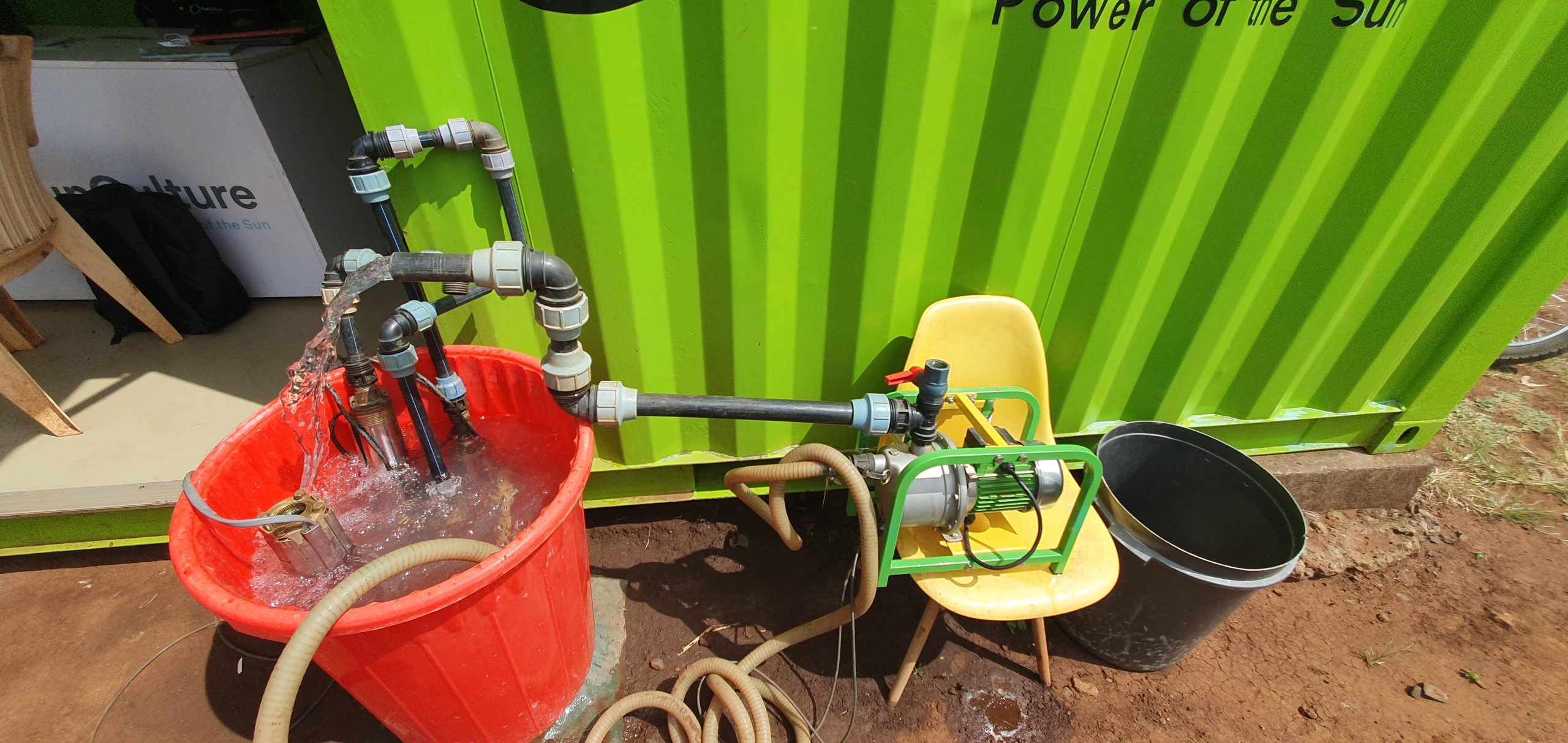
Phase 1 covers three pilot areas, Chiakariga, Marimanti and Nkondi, drawing water from the Thanantu, Kathita and Mutonga rivers. SunCulture delivered 30 RM2C solar pump kits, each with two solar panels and 50 metres of pipe. The kits are built for smallholders: plug-and-play, with minimal maintenance.
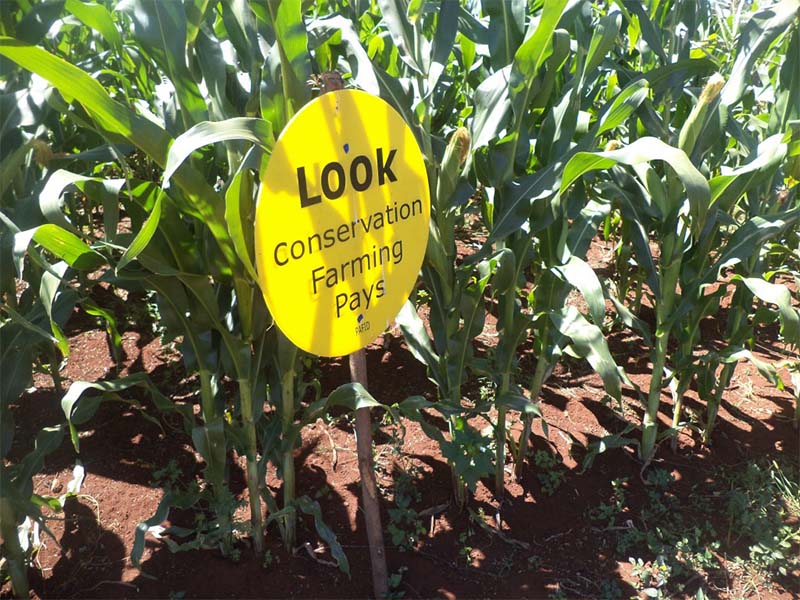
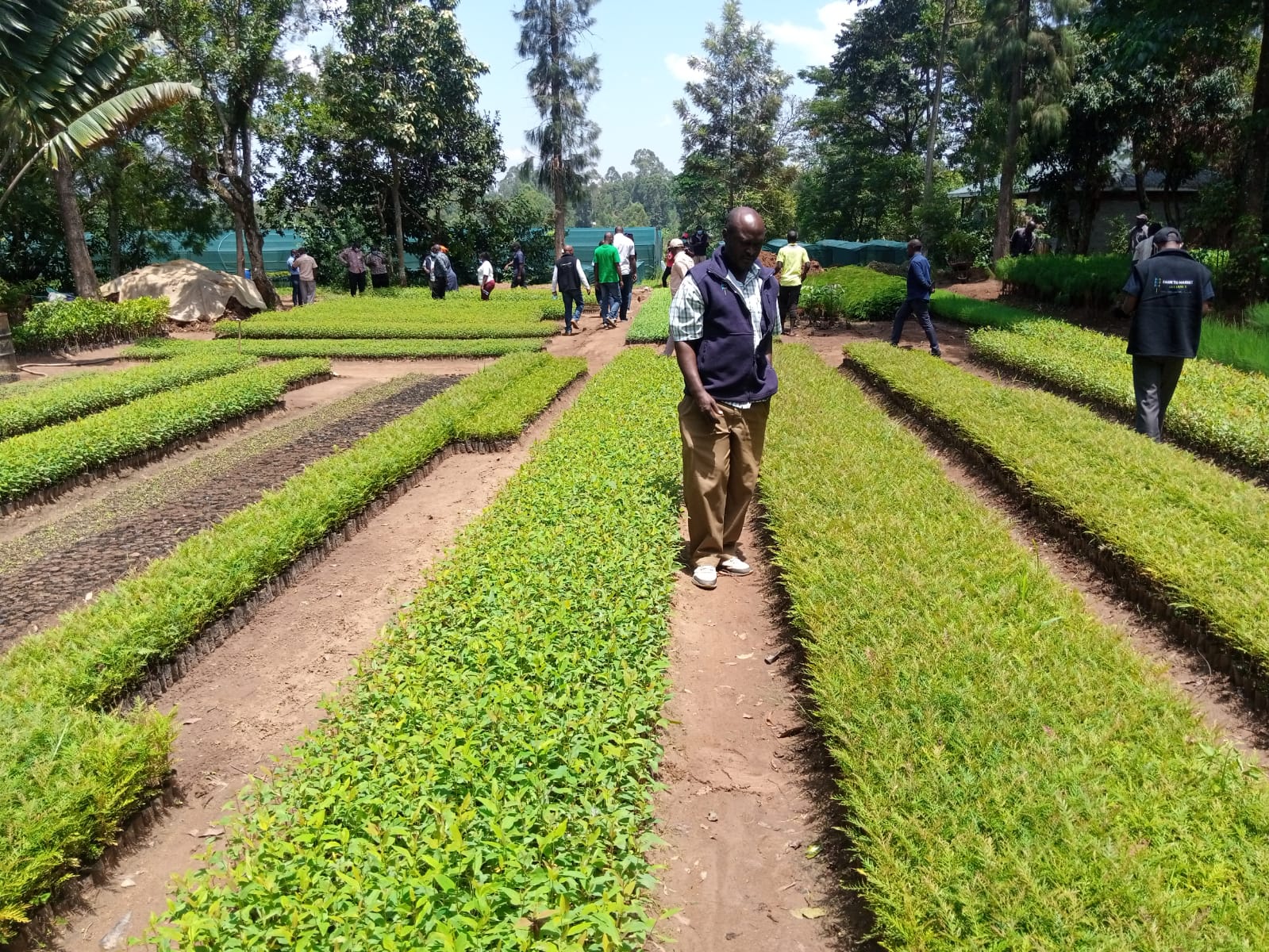
On launch day, PAFID Kenya led a training session on climate-smart agriculture, covering why the climate has changed and how farmers can adapt, including tree planting to restore the land. SunCulture's engineers then showed farmers how to get the best from their pumps and how to troubleshoot them.
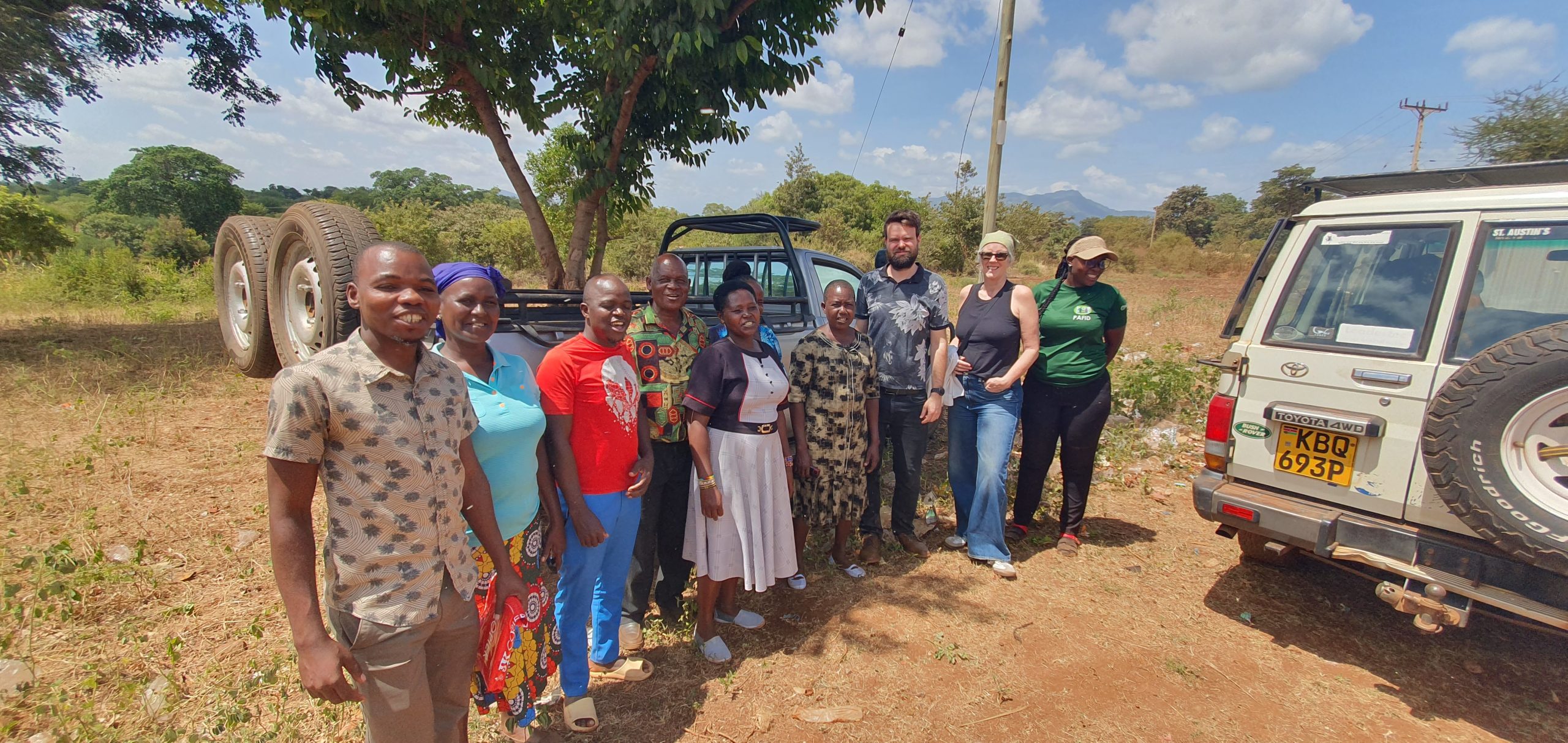
The county government, led by the Chief Officer for Agriculture, Peter Kimathi, attended the ceremony and pledged support with the permits and approvals needed to scale up. Over the following days, SunCulture engineers installed the pumps on the farms and ran the first tests in full sun.
After: water that comes to the farm
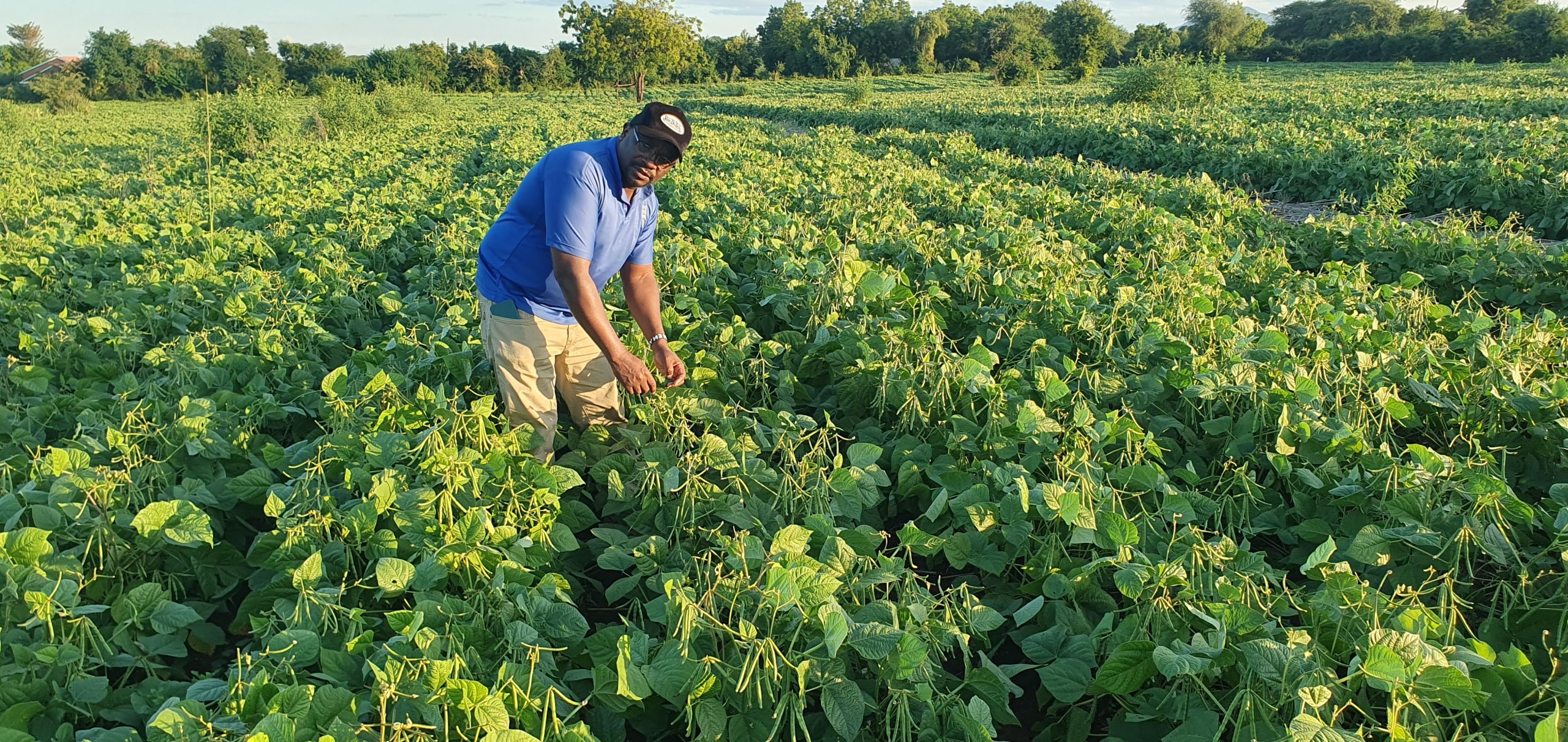
Now a pump sits in the river and a pipe carries the water up to the fields. When the sun rises, the water flows. No jerrycans, no climb up a slippery bank, no standing at the water's edge. "I am very happy because going to the river from now on will no longer be necessary," one farmer told us. "I have a pump to draw water from the river."
The pumps run on sunlight, so there is no fuel to buy and no diesel fumes to breathe. Farmers use water more efficiently and can grow crops all year round instead of waiting for the rain, opening the way to steadier harvests and income.
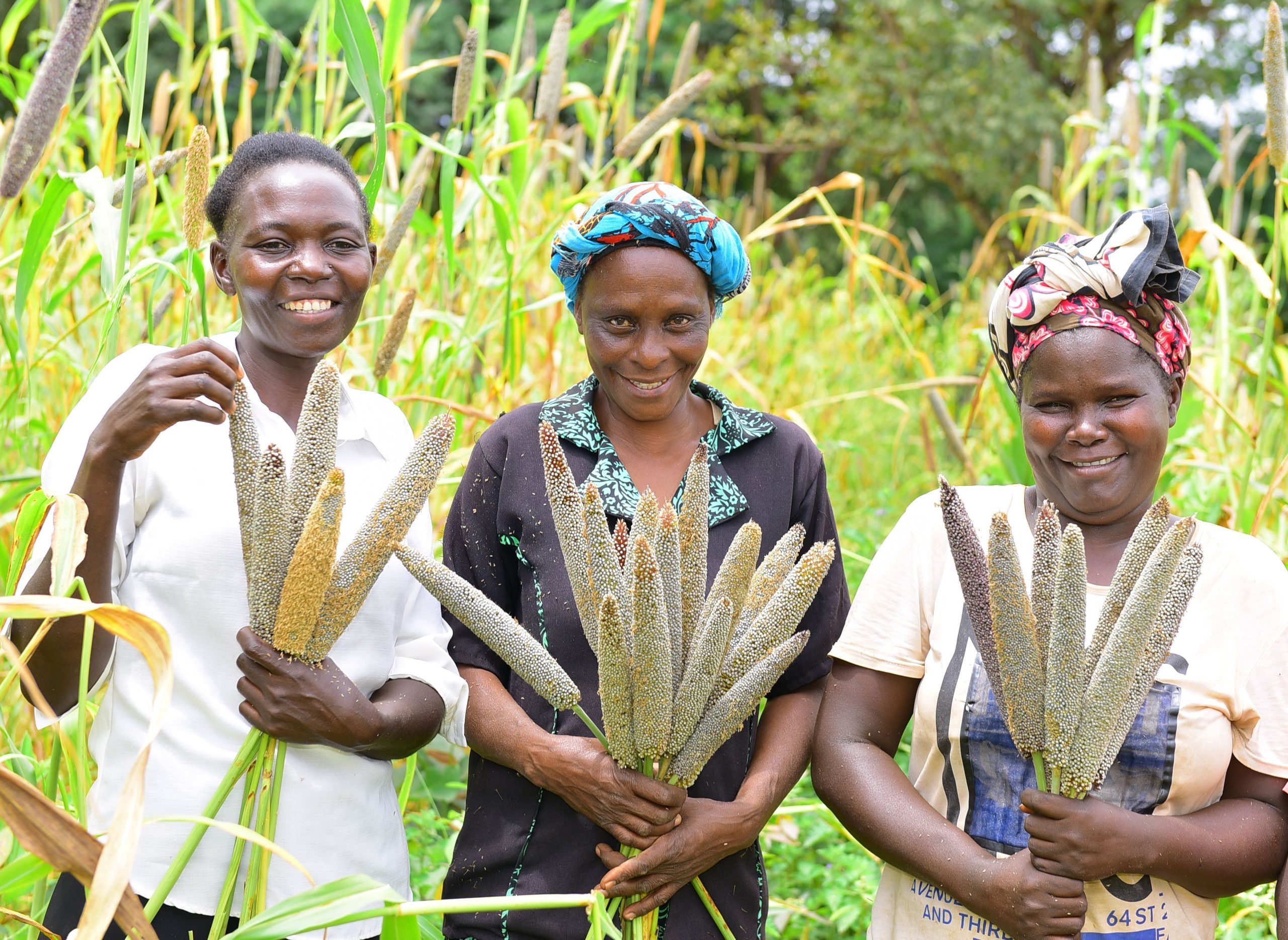
Their hopes go beyond their own plots. Deborah Karimi, a young beneficiary, told us she will work to increase her harvests and teach others how to use the systems. Another farmer put it plainly: "If I have water, I'm rich." In return, the farmers promised to look after the equipment and plant trees to restore their environment.
A partnership, and the road to Phase 2
Green Up Kenya is led by The Era of Africa with the support of the Fondation Groupe EDF, in partnership with PAFID Kenya and SunCulture. PAFID Kenya provides the climate-smart agriculture training and field support, SunCulture supplies and installs the solar pumps, and the Tharaka-Nithi county government and the Kithigiri-Kamatungu Water Project support the work on the ground.
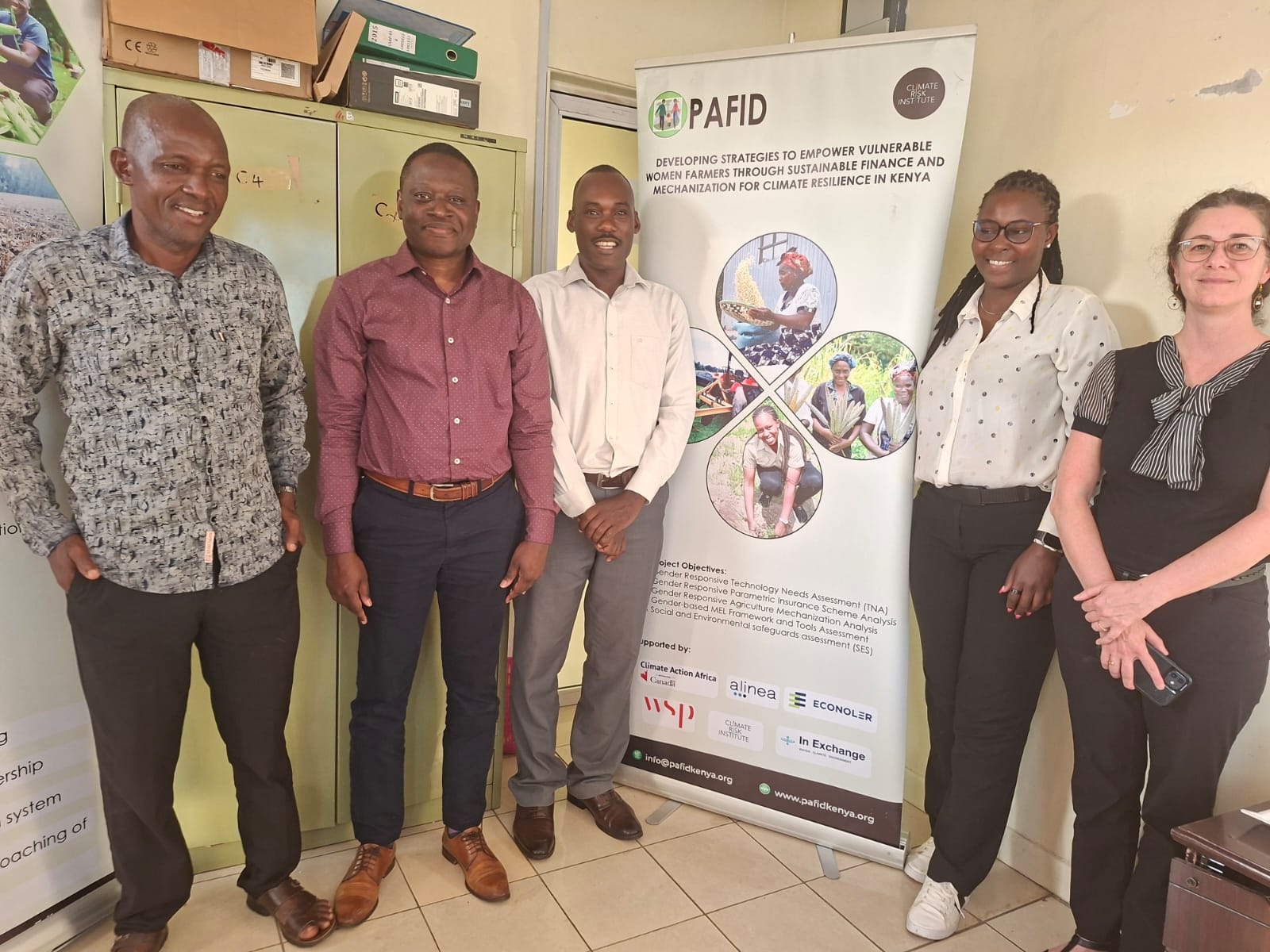
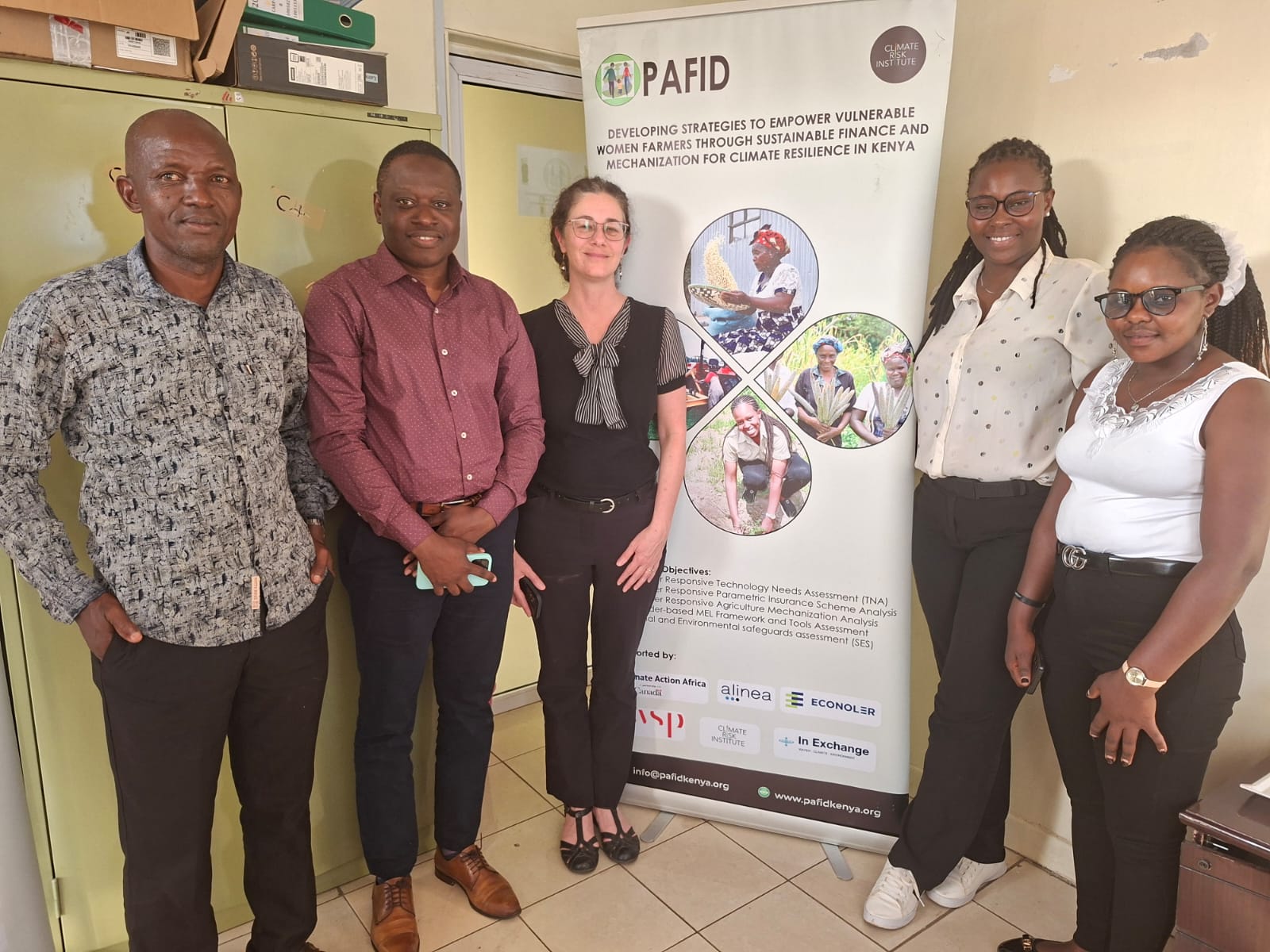
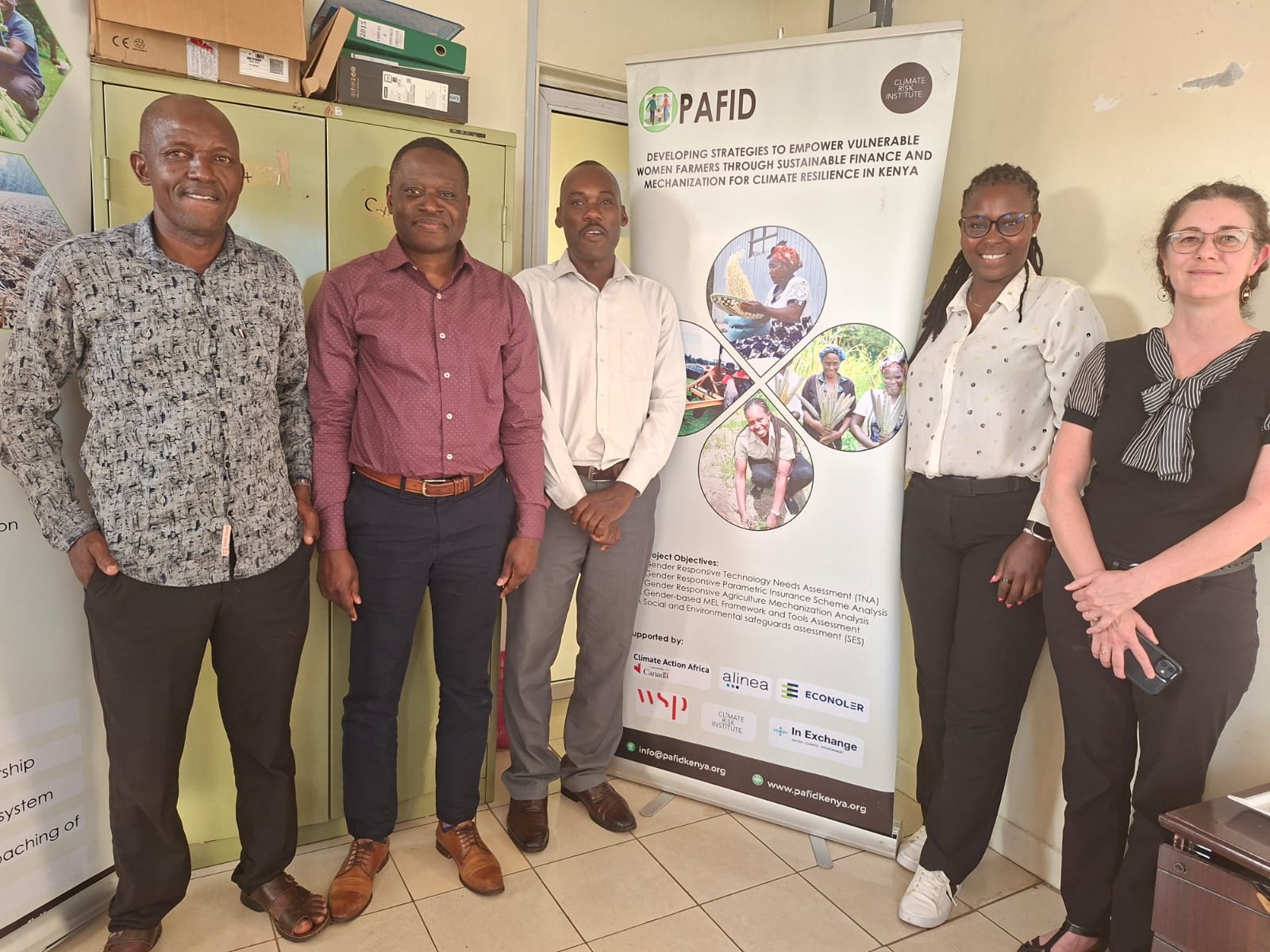
After the installations, the partners met in Nairobi to review Phase 1 and plan the next steps, including an impact study to measure the results. Phase 2 is expected to be about three times the size of Phase 1.
Partner with us to reach more families
Thirty farmers now have water at their farms. Many more families along Tharaka-Nithi's rivers still risk their lives every day for the same water, and still watch their crops fail when the rain does not come.
PAFID Kenya is seeking partners and supporters to scale climate-smart interventions, from solar irrigation to farmer training, to the most vulnerable farming communities, starting with the women and young people who carry the heaviest burden. The community has already shown its commitment with its own water rights and contributions. With your support, the next phase can reach many more.
Watch the documentary: full film · trailer
Whether you are a funder, a company or a development partner, get in touch with PAFID Kenya.
Photos: Green Up Kenya project



















 Kipro Centre, Westlands, Nairobi, Kenya


